
Easing Back into Exercising After Illness or Injury: A Guide for Women Over 60
Many older adults feel that their best days are behind them.
I get it, as you age, you start to feel that your body is just working against you.
But I’ve learned something very different recently: your body can surprise you, and your strength can come back in ways you never expected.
It just might take a little longer, and it definitely doesn’t happen quite like you think it should. But you can get it back.
Trust me. I know what I am talking about!
My Story
A few years ago, my life took a huge, unexpected turn!
I was diagnosed with cancer (this was definitely NOT on my bingo card). This was followed by chemo and radiation to my pelvis.
That alone was a huge challenge. I was tired in a way I had never felt before—like someone had unplugged my energy.
Just when I thought I was starting to recover, life kicked me down again!
I experienced sacral fractures due to the radiation, which left me on bed rest for 2 months. At the same time, I began having hip pain and was told that both hips would need to be replaced.
So in May of 2025, I had my left hip replaced, and then in December of 2025, I had my right hip replaced.
It felt like my body was throwing every plot twist it could at me.
So why am I talking about getting back to exercising after all of this instead of just sitting back and appreciating (accepting) what I can do?
Because even after all that happened to me, I wanted my life back. I didn’t want to just start moving again; I wanted the life I had before all this craziness!
I wanted to feel strong again and prove to myself that getting knocked down over 60 didn’t mean I had to just sit on the sidelines…..I’m kind of stubborn that way.
Starting Over (Again… and Again)
When you’re young, getting back into shape can feel easy. You fall down, you get up, and you’re off running again. At least that was my story.
However, when you’re an older adult, it can feel more like climbing a hill with a backpack full of bricks.
But the good news is that you can still do it, trust me!
You will just have to go slow, pay attention to what your body is telling you, and celebrate every win, no matter how small.
My first “workouts” were minimal.
I’m talking leg exercises while lying in bed, walking from one room to another, and standing up without using my hands.
It felt almost silly, but it was real progress. I had lost so much muscle mass.
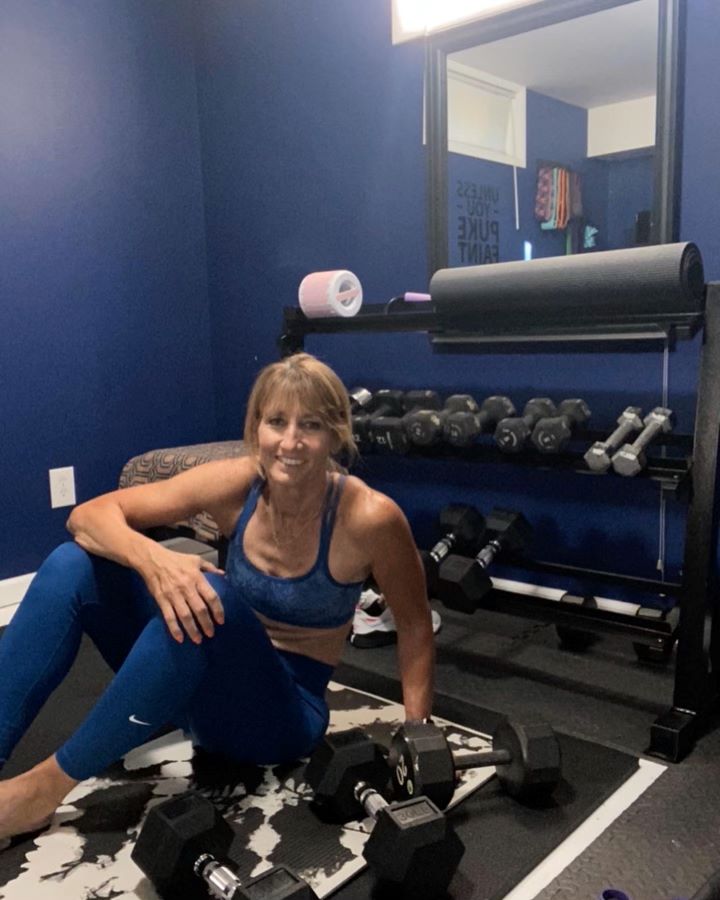
But it has been paying off. I am starting to increase my weights, and I can once again see some muscle tone… not what I had, but definitely in the right direction!
This is what I want anyone who has had the same experience to understand:
Strength doesn’t always look like lifting heavy weights (which is usually my favorite thing to do). Sometimes it’s just doing what you can and refusing to quit.
So, if you’ve been knocked down and want to get back up and rebuild your life, here are a few of the most important things I’ve been doing to get back on track and reduce my risk of injury.
Start Slow and Listen to Your Body (Even When You Don’t Like What It Says)
After everything I went through, my body had a lot to say!
Some days it said, “Okay, we can do this.” Other days it said, “Nope, not today, my friend, we are gonna just rest.”
And I had to learn to listen and respect both, because it’s the only way the body can heal and get stronger.
If you push too hard, it can set you back, but not pushing at all can slow your recovery.
So, you have to find the middle ground, which most of the time feels like walking a tightrope!
You want to do enough to grow stronger, but not so much that it causes new problems.
If something hurts, stop and rest.
Also, be sure to take rest days, eat well (don’t forget the power of protein), and get good sleep.
It’s very important to listen to what your body is telling you.
Remember that your recovery time will be different from someone else’s, we all have our own story.
Talk to Your Doctor First
Before you start any new workout, check in with your doctor or medical team.
Make sure they know you want to return to an active lifestyle, including a regular exercise program.
Some older people are okay with not doing any exercise after an illness, injury, or surgery, and some healthcare professionals just accept that.
Let them know that this is not you, you want more from your recovery, and being just okay is not okay. You want to get your life back!
They can tell you what is safe and what might be too hard right now, or they may have you see a physical therapist to help you get started safely.

Set Small, Achievable Fitness Goals
Don’t expect to be as strong or fast as you were before your illness or injury, at least not right away (this was hard for me to accept, so I get it if you feel you can do more than you should).
After a few failures, I learned to set small goals, which I highly suggest for anyone returning to a fitness program after an injury or illness.
Just make sure to set SMART goals, which means they are:
Specific – what do you want to achieve?
Measurable – how will you track your progress?
Achievable – is your goal realistic and attainable?
Relevant – does it align with your bigger objectives?
Time-bound – what is your deadline to meet the goal?
Don’t just set a goal to start weight training or walking.
Make it a SMART goal.
For example:
I will walk 5 minutes every day to regain my endurance. I will gradually increase my walking time to 30 minutes over the next 3 months and track my progress on my fitness watch.
I will begin strength or resistance training 3 times per week to regain my muscle strength. I will start with bodyweight exercises for 1 set of 8 reps per exercise and increase to light free weights or resistance bands for 2 sets of 8 reps over 2 months. I will keep a diary of gains.
Then be sure to celebrate every successful goal, even the little ones!
Find a Workout Buddy
Exercising with a friend, family member, or a group can be a huge help.
They can make it more fun, make time fly, and keep you motivated.
We all could use a cheerleader sometimes!
You can encourage each other and share your progress.
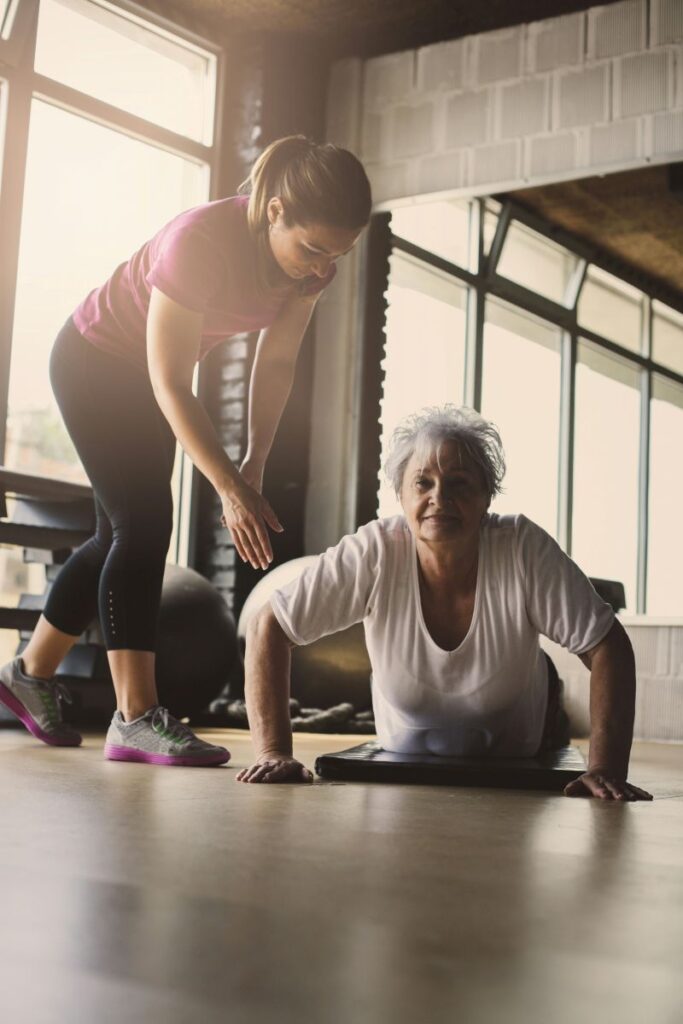
If you don’t have someone with the same goals as you or you just don’t get into working out in a group setting, another good idea is to find a personal trainer who can help you set goals, stay motivated, and stay on task.
Try Different Activities
It’s okay if you don’t like the same exercises you did before, or if they are too difficult for your current fitness level.
Depending on your personal issues, you may need a different type of exercise program, maybe focusing on balance or range-of-motion exercises.
A high-intensity exercise program is probably not the best way to get started and will most likely just set you back.
The good thing is, there are all kinds of different options that can get you back up and going again.
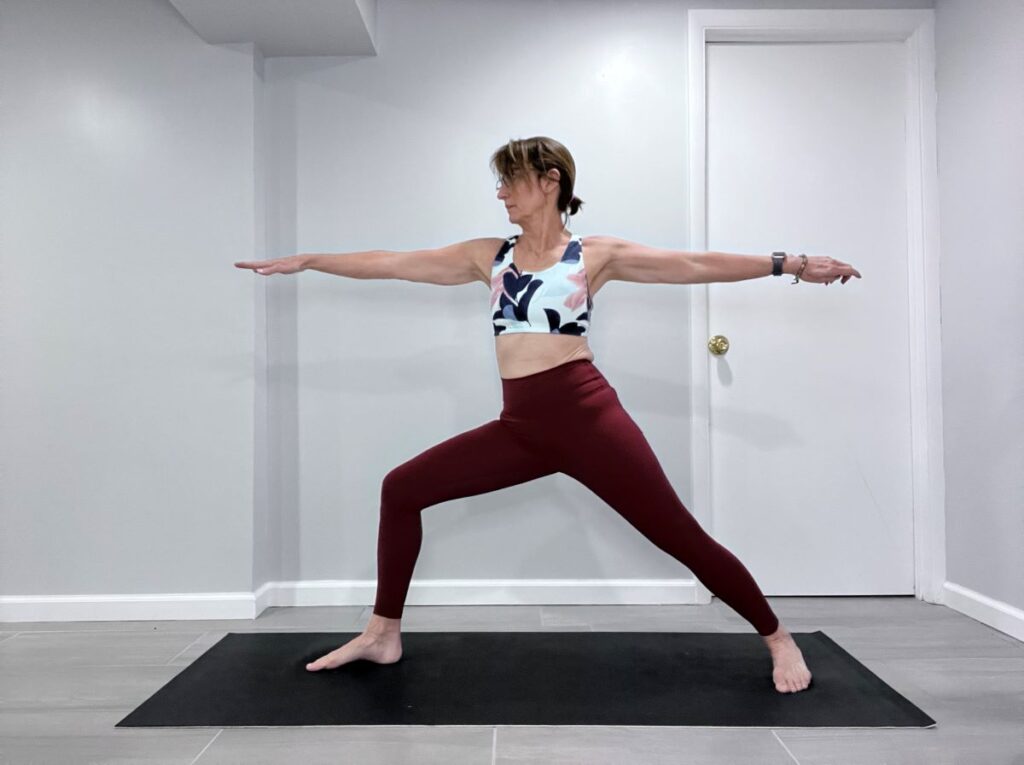
Try something new, like yoga, tai chi, swimming, brisk walking, or ride a stationary bike.
The most important thing is to keep moving at your own pace, use proper form, and have fun.
Be Kind to Yourself
Some days will be harder than others, and that’s okay.
Be patient, you’re still in a recovery period, and it could seem like a long process.
Remember, every little bit of movement helps you get stronger. You are doing something great for your health!
Getting back to exercise after an illness or injury isn’t always easy, but with small steps and a positive attitude, you can do it.
Always put your health and safety first, and celebrate your progress.
You’ve got this!
What I Want You to Take Away
Exercise helps your body stay strong, your mind feel better, and even makes everyday tasks easier.
However, everyone—at any age—will face moments when they have to start over after an injury, an illness, or an emotional setback.
Returning to workouts after being sick or hurt can feel scary—especially as we age.
But it’s never too late to get back up and get moving again!
Starting over doesn’t mean you failed. It means you’re brave enough to try again.
Life is designed to knock you down. It will knock you down time and time again, but it doesn’t matter how many times you fall – it matters how many times you get back up. Lilly Singh
I would love to hear your story and how you overcame it and got back into your fitness routine.